
- 24 September 2025
- Child LoveTank
Introduction
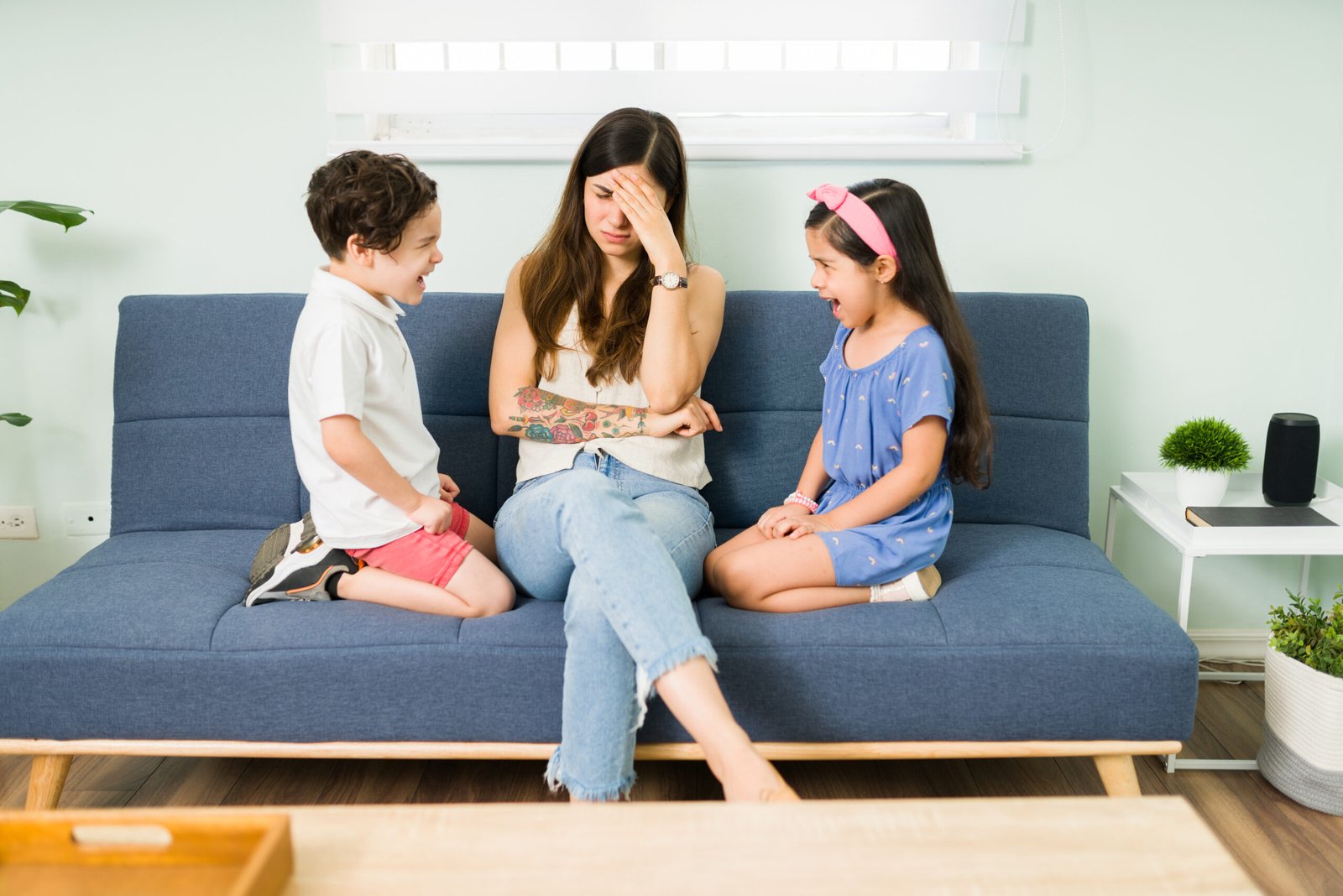
Seeing your kids argue can be one of the most stressful parts of parenting. The constant bickering, fighting over toys, and cries of, “It’s not fair!” can make even the most patient parent feel like they’re at their wits’ end. It’s a normal part of family life, but that doesn’t make it any easier to manage.
This article will help you understand why siblings fight and provide actionable, supportive strategies you can start using today to help your children navigate their relationship with kindness and respect. You’ll learn to move from a place of conflict to one of connection, helping your kids build a lifelong bond.
What It Means
Sibling rivalry isn’t just about who gets the last cookie or who sits in the front seat. It’s often a child’s way of competing for a limited resource: their parents’ attention, love, and approval.
Think of it like this: A child’s “love tank” needs to be filled. They have a deep, fundamental need to feel seen, heard, and valued by you. When that tank starts to run low, they might act out, become demanding, or pick a fight with their sibling, all in an attempt to get your attention and ensure their place in the family is secure. The conflict you see on the surface is often a symptom of this underlying need for connection.
Why It Matters
Allowing sibling rivalry to fester without intervention can have a significant impact on your children’s emotional development. When kids constantly feel the need to compete, it can lead to feelings of resentment, insecurity, and low self-esteem. They may struggle to build healthy relationships later in life if their primary experience of a close relationship is one of constant competition.
On the other hand, teaching your children to manage conflict and resolve differences helps them develop essential social and emotional skills. They learn to empathize, negotiate, and compromise. This not only creates a more peaceful home but also prepares them for a lifetime of healthy connections, both within the family and with their peers.
Practical Tips for Parents
Here are a few simple, powerful strategies you can use to help reduce conflict and build a more harmonious family environment:
- Focus on the feeling, not the fight. Instead of immediately jumping in to solve the problem, acknowledge your children’s emotions first. You can say, “I see you’re both really frustrated right now. It’s tough when you both want the same thing.” Validating their feelings can often de-escalate the situation before you even need to intervene.
- Give one on one time. Schedule regular, short bursts of dedicated one on one time with each child. This doesn’t have to be a big outing. It can be 15 minutes of playing a game, reading a book, or just talking together. This dedicated attention helps fill their individual love tanks and reduces their need to compete for your attention.
- Encourage teamwork over comparison. Look for ways to help your children work together toward a common goal, like cleaning up a room, preparing a meal, or building a fort. Celebrate their collaboration, not just individual achievements. When you praise one child, avoid mentioning the other. For example, instead of saying, “Emily, I love how well you cleaned your room, unlike your brother,” you can simply say, “Emily, your room looks great! Thank you for helping out.”
Common Mistakes
It’s natural to fall into some common parenting traps when managing sibling rivalry. One of the most common is trying to be a perfect referee. Constantly asking “Who started it?” or forcing a specific resolution can actually make things worse. It teaches your children that your role is to judge and assign blame, rather than to guide them toward finding their own solution.
Instead, reframe your role from a referee to a coach. Guide them through the process of working it out themselves by asking open-ended questions like, “How can you two find a solution that works for both of you?” This empowers them to take ownership of the conflict and learn problem-solving skills they’ll use for a lifetime.
Conclusion
Parenting through sibling rivalry is a challenge every parent faces, and it’s okay to feel overwhelmed by it sometimes. Remember that your children’s relationship is a work in progress, and your consistent, loving guidance makes all the difference. By focusing on your children’s emotional needs, encouraging collaboration, and giving each child your undivided attention, you are building the foundation for a relationship that will last a lifetime.
Every small effort you make to teach kindness, empathy, and conflict resolution is a step toward a more peaceful and connected family. You’re not just managing a conflict; you’re teaching your kids how to love and respect each other, and that’s one of the most important jobs a parent has.
Remember, you don’t have to do this alone. The Child LoveTank helps parents build small routines that fill kids’ love tanks every day.