
- 27 September 2025
- Child LoveTank
Introduction
If the mere mention of bedtime turns your cozy evening into a stressful wrestling match, you are absolutely not alone. Many parents find this shift, from the excitement of playing to the quiet necessity of sleep, one of the most challenging parts of the day. It’s tough to go from saying “yes” to fun activities to needing a firm “no” on one more toy or story. Those sudden shifts can trigger big feelings and big resistance in children.
This article is designed to help you transform that nightly struggle. We will explore why these transitions are so hard for kids, how they impact their emotional well being, and, most importantly, provide you with simple, actionable strategies to build a smooth, predictable bedtime routine. Get ready to reclaim your evenings and enjoy a calmer, more connected path to sleep.
What It Means: The Bedtime Transition
At its core, the bedtime transition is the shift from a state of high engagement and stimulation to a state of calm and rest. For a child, this isn’t just about moving their body from the living room to the bed; it’s about changing gears in their brain and emotional system.
Think of your child’s brain like a race car speeding around a track. Playtime is the accelerator, full of sensory input, movement, and imagination. Bedtime is the pit stop, where the car needs to slow down, cool off, and refuel. A sudden, jarring halt causes friction and sparks (meltdowns!). A smooth transition is like a well-paced deceleration lane. It’s a series of predictable, lower energy activities that signal to the child, both physically and mentally, that the energy is changing and sleep is on its way. This predictability creates a feeling of safety and control, which are essential for a peaceful surrender to sleep.
Why It Matters: The Power of Predictable Routines
A smooth bedtime transition isn’t just about convenience; it’s vital for your child’s emotional health and development. Consistent routines teach a child a few crucial life lessons:
- Emotional Regulation: Routines are like training wheels for self regulation. When a child knows what comes next, they spend less energy worrying or resisting and more energy practicing how to wind down. This builds their confidence in managing their own feelings, even when they’re tired.
- Safety and Security: The world can be unpredictable, but a nightly routine is an anchor. It communicates, “This is what happens every night. You are safe. We are in this together.” This consistency helps build a strong, secure attachment with their parents.
- Better Sleep Quality: When a child is calm and relaxed going into the process, their body releases the necessary hormones for good sleep. Better sleep directly contributes to improved focus, better mood, and less challenging behavior the following day. Essentially, a good routine at night sets them up for success the next morning.
Practical Tips for Parents
Here are three small, powerful steps you can take today to make your evenings calmer:
1. Give a “Ten Minute Warning”
Children need time to process a shift in activity. When it’s almost time to start the bedtime routine, give a clear, loving warning. For example, “In ten minutes, we’ll start our books and brush teeth.” When the time is up, follow through immediately. A second warning, perhaps five minutes later, can reinforce the message. This gives your child a chance to mentally wrap up their play and feel respected.
2. Create a Visual Routine Chart
Kids thrive on seeing what comes next. Create a simple chart with pictures or drawings showing the three to five main steps of your routine (e.g., bath, pajamas, brush teeth, read books, hugs/song). Put it up where they can see it and have them point to the next step. This turns “Mommy said so” into “The chart says so,” which gives them a positive sense of autonomy and ownership over the process.
3. Introduce a “Transition Activity”
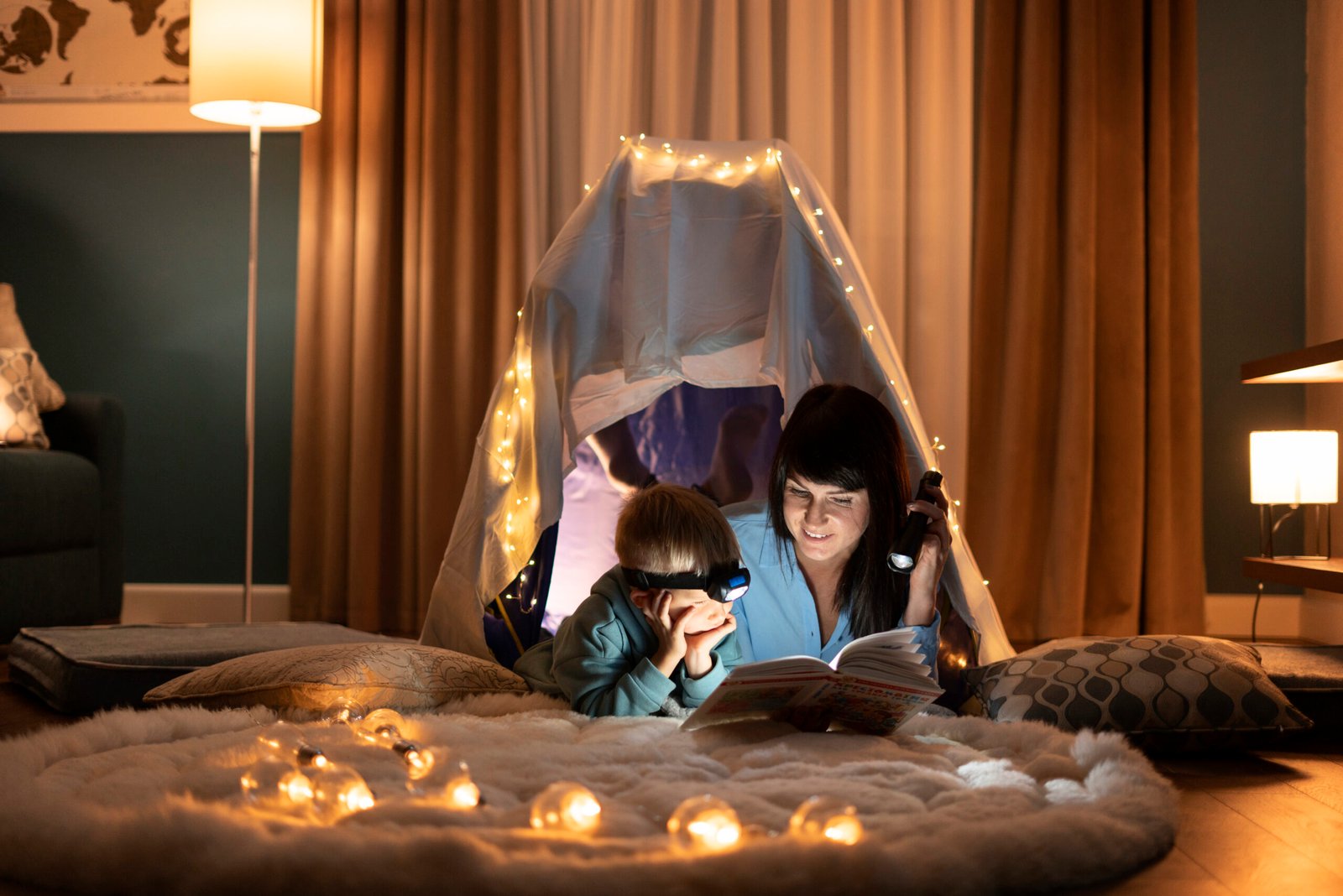
Incorporate a gentle activity between high energy play and the quiet routine. This serves as a psychological bridge. For example, before heading to the bathroom, you could have a “Lullaby Dance” where you play one quiet, calming song, or have them help “tuck in” their favorite stuffed animals on their bed. This small, consistent ritual acts as the official slowdown signal for their nervous system.
Common Mistakes
It’s easy to fall into a few common traps when you’re tired at the end of the day. Don’t worry if you’ve done these; they are simply opportunities to try a new approach!
A common mistake is giving too many warnings or negotiating the routine. While it comes from a place of love and patience, asking, “Just one more toy?” or allowing multiple delays actually teaches a child that the routine is optional and that resistance is often rewarded with more playtime.
The Healthier Alternative: Be firm but gentle with the established routine. Instead of asking open ended questions, use statements. For example, if your child asks for a tenth book, you can respond with a warm, “I know you love stories, sweetie. Our routine says two books, and then quiet time. We can choose another amazing book tomorrow.” Your gentle resolve provides the calm structure they need.
Conclusion
Parenting is a marathon, not a sprint, and every day presents a new challenge to master. Remember that creating a smooth bedtime transition is not about achieving immediate perfection; it’s about small, consistent actions that build trust and predictability over time. The effort you put into establishing a calm, loving routine tonight pays dividends in your child’s emotional security and confidence tomorrow.
Don’t be discouraged by an off night or two. Focus on the simple steps: a clear warning, a visual guide, and a gentle transition activity. You are doing a wonderful job of guiding your child through big feelings and big changes. Keep showing up with love and consistency, and you will see your chaotic evenings transform into connected, peaceful rituals.
Call-to-Action Section
Remember, you don’t have to figure out all the routines and transitions alone. Parenting support groups and simple online resources can help you build small, consistent rituals that make every transition just a little bit easier for you and your child.