
- 20 September 2025
- Child LoveTank
Introduction
If you feel like dinnertime is more of a race than a reward, you’re not alone. The evening rush of homework, sports practices, and chores can make a peaceful family meal feel impossible. Many parents struggle with the same challenge: how to turn a necessary routine into a meaningful moment of connection. But what if a family meal could be more than just food on the table? What if it could be a powerful tool for building a stronger family? This article will explore what it means to have meaningful meals and provide simple, actionable tips to help you transform your table into a place of connection, communication, and lasting memories.
What It Means
A meaningful family meal isn’t about perfectly cooked food or a flawlessly set table. It’s about creating a dedicated time and space for your family to be together, free from distractions. Think of it as a “connection checkpoint.” It’s an intentional moment where everyone puts down their devices, pauses their separate lives, and simply talks to one another. This time serves as a anchor in a busy week, grounding your family in a shared experience. It’s where you share stories, celebrate small victories, and listen to each other’s day, moving from a collection of individuals to a cohesive team.
Why It Matters
The simple act of sharing a meal together has a profound impact on a child’s development and emotional well-being. Regular family meals are linked to a host of positive outcomes, from better academic performance to improved emotional resilience. When children feel heard and valued at the dinner table, it builds their confidence and self-esteem. They learn to communicate their thoughts and feelings, and they develop a sense of security and belonging that shapes their relationships for years to come. In a world of constant digital connection, the face-to-face interaction of a family meal fosters genuine, deep bonds and teaches children the essential art of being present.
Practical Tips for Parents
Making family meals more meaningful doesn’t require a complete overhaul. Here are some small, manageable steps you can take today:
- Create a Device-Free Zone: Set a clear rule that all phones, tablets, and TVs are put away during mealtime. This simple action signals that the people at the table are the priority.
- Use Conversation Starters: If silence is a struggle, try fun prompts. Ask questions like, “What was the most surprising thing that happened today?” or “If you could have a superpower, what would it be?” This helps get everyone talking and can lead to unexpected conversations.
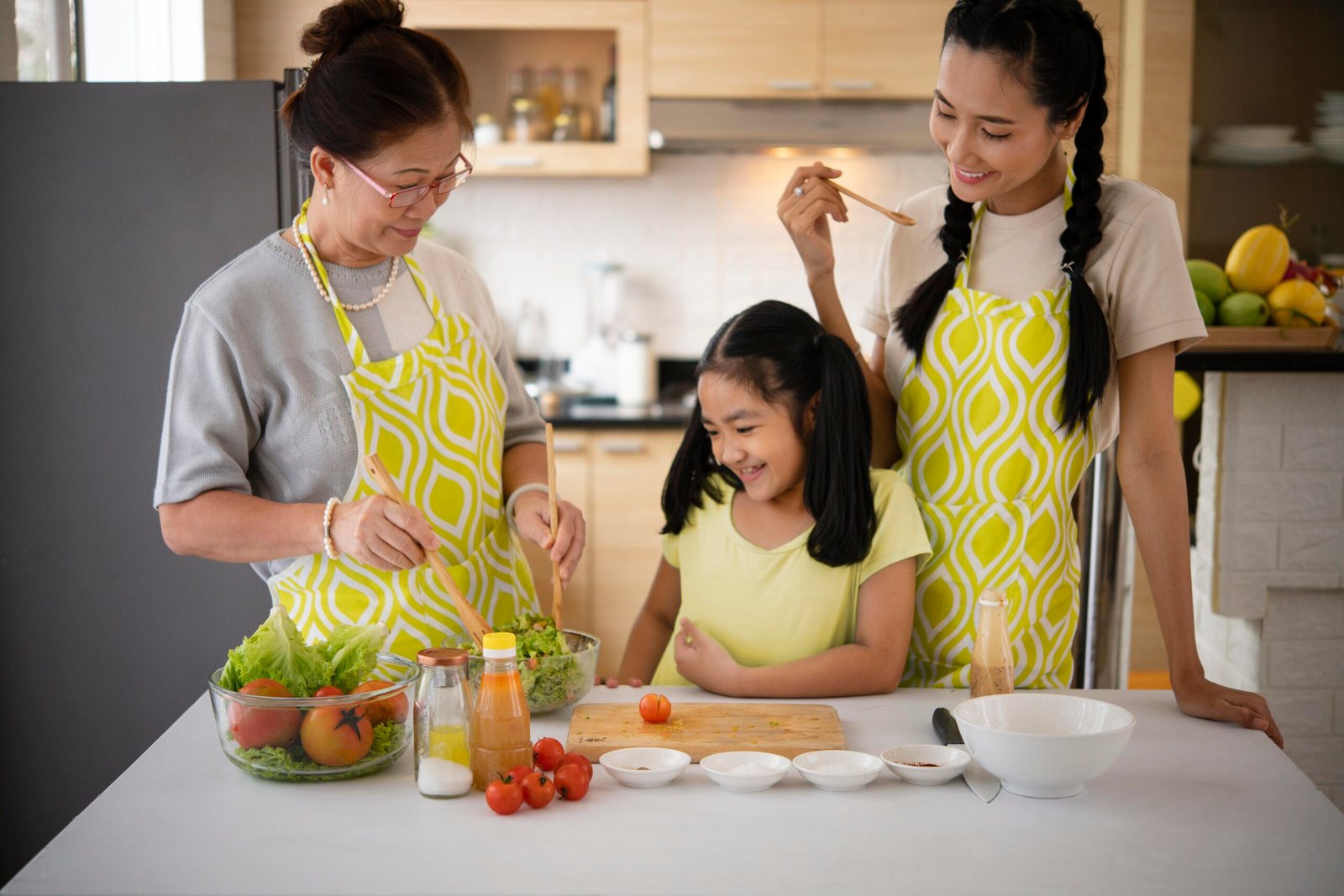
- Involve Everyone in the Process: Get your kids involved with meal preparation, from setting the table to helping chop vegetables. This gives them a sense of ownership and makes the meal feel like a collaborative effort.
- Listen Actively: Put away your own mental to-do list and truly listen to what your children are saying. Ask follow-up questions and show genuine interest in their stories.
- Don’t Stress About Perfection: A family meal can be simple. It doesn’t have to be a gourmet feast. A frozen pizza or takeout can be just as meaningful as a home-cooked meal, as long as the focus remains on connecting with one another.
Common Mistakes
It’s easy to fall into certain patterns that can diminish the value of a family meal, but these are opportunities for growth, not failure. One common mistake is using the dinner table as a place to lecture or deliver negative feedback. Instead of discussing poor grades or misbehavior, which can make the meal feel like a chore, try a different approach. Keep the conversation positive and save tough topics for a one-on-one talk later. Another pitfall is the habit of rushing through the meal. While schedules are tight, taking an extra 10 minutes to slow down and connect can make all the difference.
Conclusion
Parenting is a series of small, consistent actions that add up to a big impact. When the pressures of the day feel overwhelming, remember that the most meaningful moments often happen in the quiet spaces between the chaos. A shared meal, even a quick and simple one, is a powerful ritual that can strengthen your family’s foundation. You don’t have to get it right every time. The goal isn’t perfection, but presence. By creating a space for genuine connection, you are doing one of the most important jobs there is: building a family that feels safe, loved, and heard.
Remember, you don’t have to do this alone. Family rituals helps parents build small routines that fill kids’ connection tanks every day.